

Duty-free and reduced duty treatment is available to a broad range of goods imported to the U.S., which can leave importers whose products remain subject to tariffs feeling like they’re at a competitive disadvantage. However, there are a number of legal ways for lowering or eliminating these often substantial duties, including making relatively modest modifications that move a product from one tariff classification to another. This webinar explores how to analyze your existing tariff exposure and the steps you can take to achieve the lowest duty rates available.
On Demand Webinar
Reducing and Eliminating Duties Through Tariff Engineering, Including 301 and 232 Duties
Duty Savings, Tariff Mitigation & Supply Chain Efficiencies
About The Webinar
Key Topics
- Duty/tax avoidance versus evasion
- Product manipulation
- Valuation
- Separating or combining shipments
- Oigin
- Interaction and communication with management, product development, engineering, and purchasing
- Material sourcing
- Taking advantage of trade agreements
- Using foreign-trade zones and bonded warehouses
- Impact of additional tariffs under Sections 232 and 301
Speaker 
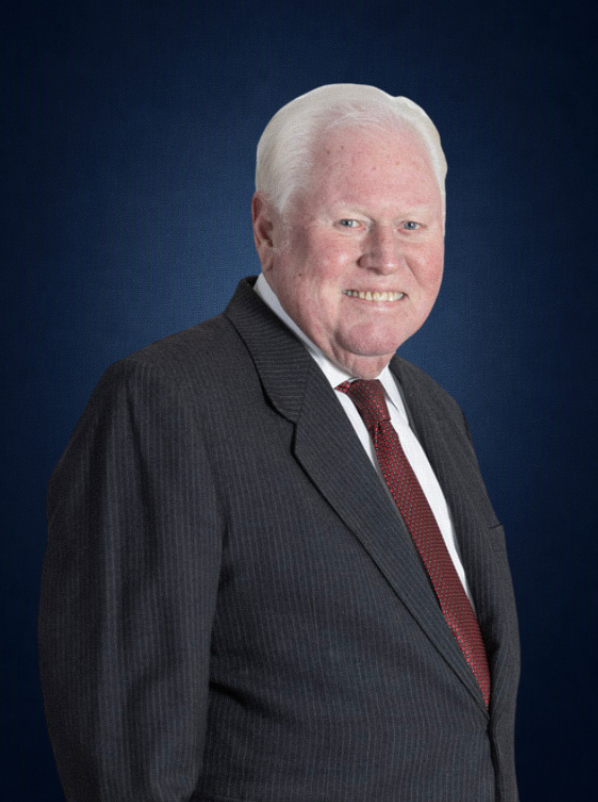
Patrick Gill Of Counsel
Patrick Gill Of Counsel
Patrick D. Gill is of counsel to Sandler, Travis & Rosenberg, P.A. resident in the New York City office. He has over 45 years of international trade and customs experience in both the public and private sectors. A seasoned litigator, Mr. Gill represents clients before courts and administrative agencies in matters pertaining to customs and international trade. He is a member of the bars of the state of New York, the U.S. Supreme Court, the District of Columbia, the U.S. Court of International Trade, the U.S. Court of Appeals for the Federal Circuit, the U.S. Court of Federal Claims and the U.S. district courts for the Southern and Eastern Districts of New York.


Other Webinars from Patrick Gill
-
 On DemandLearn More
Customs Recordkeeping 101: What You Need to Know
Customs & Import Compliance - On DemandLearn More
Customs Organization & Operations – What You Need to Know About Customs Laws & the Agencies That Enforce Them
Customs & Import Compliance - On DemandLearn More
Preparing for a Customs Investigation
Customs & Import Compliance
Contact Us
